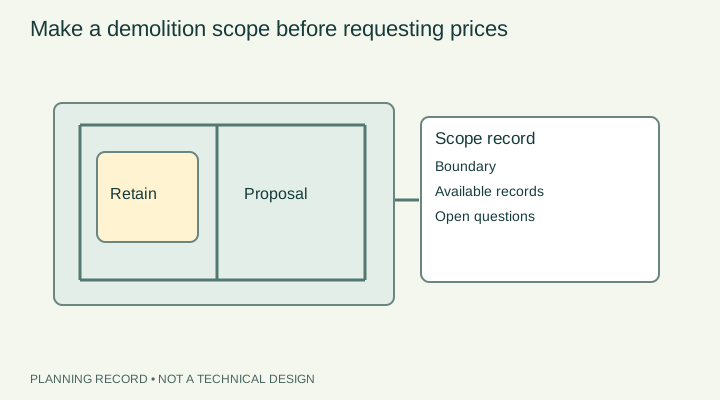
Make a demolition scope before requesting prices
A useful scope describes what may be removed, what must remain, the records available and the decisions still awaiting the appropriate people.
Demolition planning
Keep the scope, records, questions and responsibilities visible.
A useful scope describes what may be removed, what must remain, the records available and the decisions still awaiting the appropriate people.
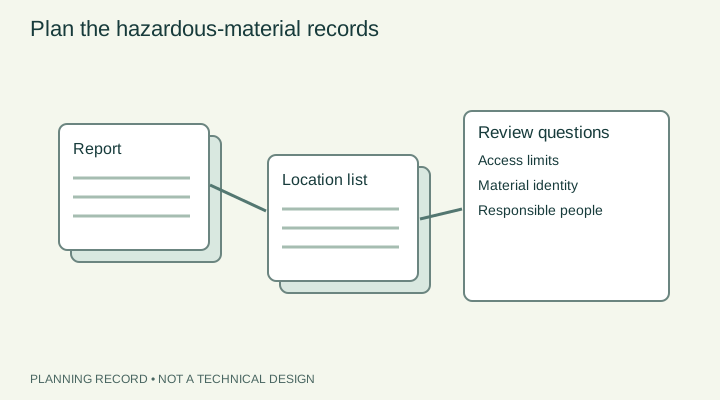
Keep the material survey, its scope and any work restrictions visible before a demolition quote becomes a work instruction.
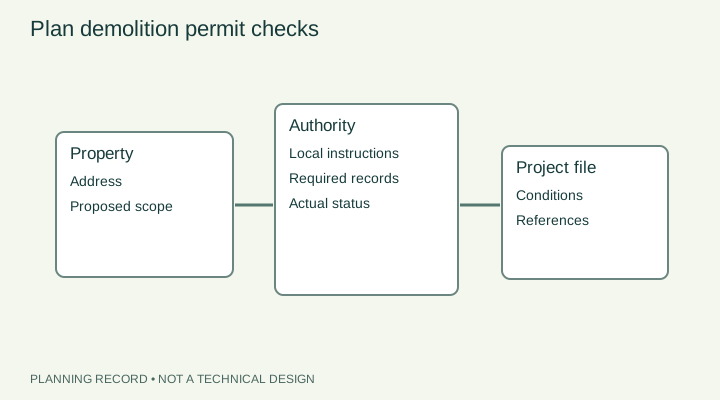
Find the authority for the property and record its actual requirements rather than applying a rule from another city.
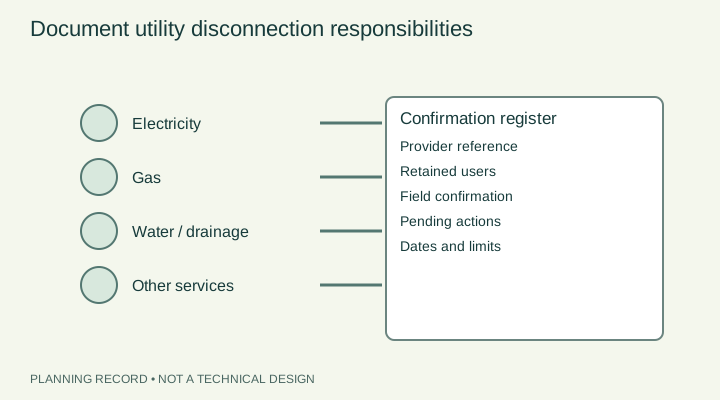
Keep provider confirmations and physical service records separate from assumptions about a building that appears vacant.
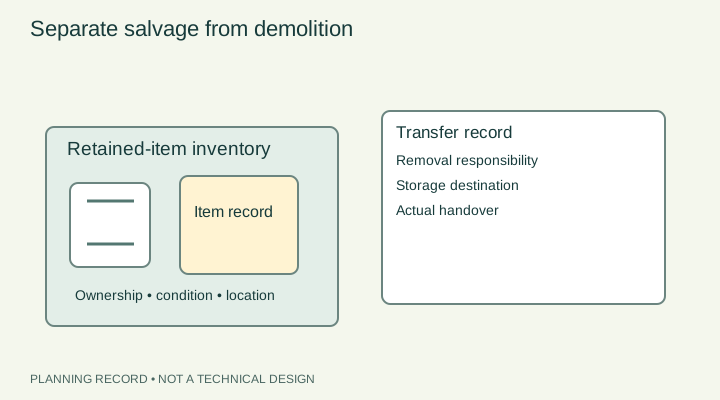
Define retained items, ownership and removal responsibilities before valuable or reusable materials are mixed into a disposal scope.
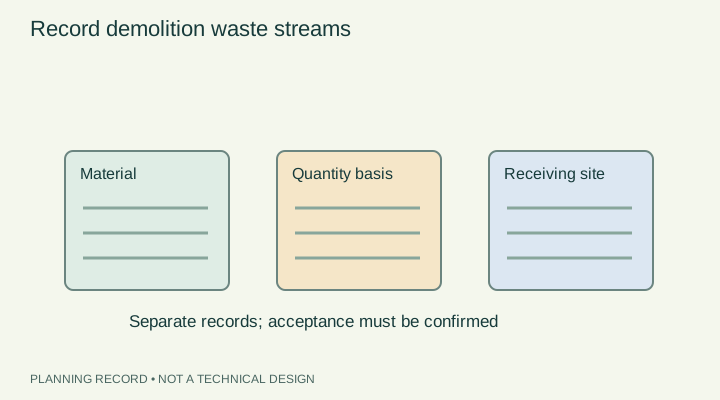
Keep measured quantities, material descriptions, receiving-site acceptance and haulage responsibilities as separate parts of the plan.
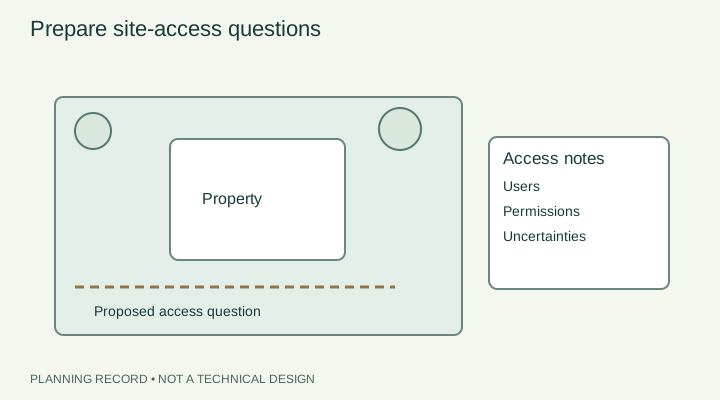
Record site constraints so the contractor can plan the operation without confusing a homeowner sketch with an approved work layout.
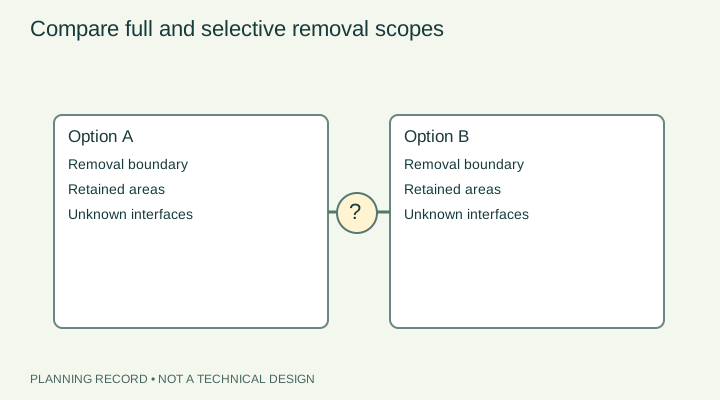
Use a retained-area record to distinguish the questions raised by different removal proposals without choosing a structural method.
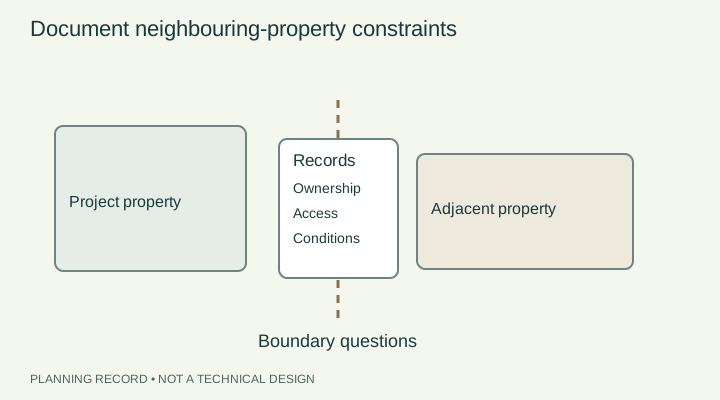
Describe shared boundaries and affected spaces early, then obtain the actual advice and permissions required for the property.
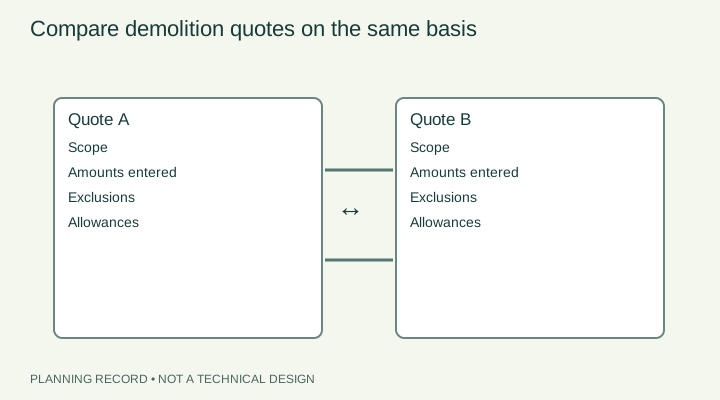
Make scope differences and entered allowances visible before comparing totals.
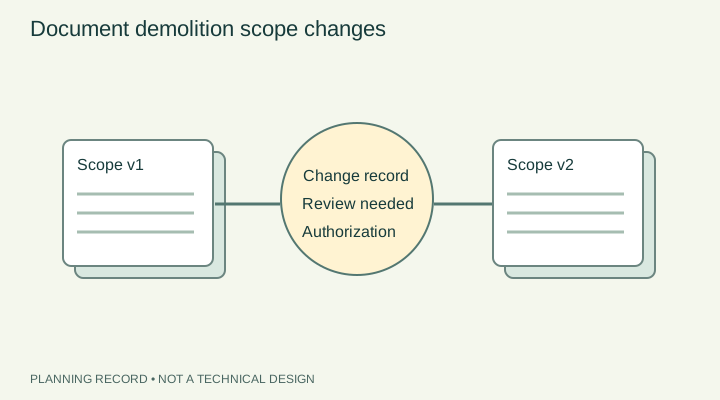
Keep the cause, authorization, price basis and revised scope together when a proposal changes.
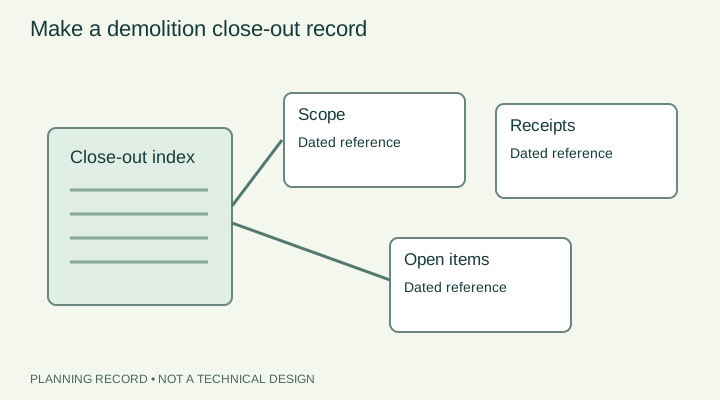
Collect the scope, approvals, receiving records and unresolved items in a practical handover file.