Demolition planning
Document demolition scope changes
Keep the cause, authorization, price basis and revised scope together when a proposal changes.
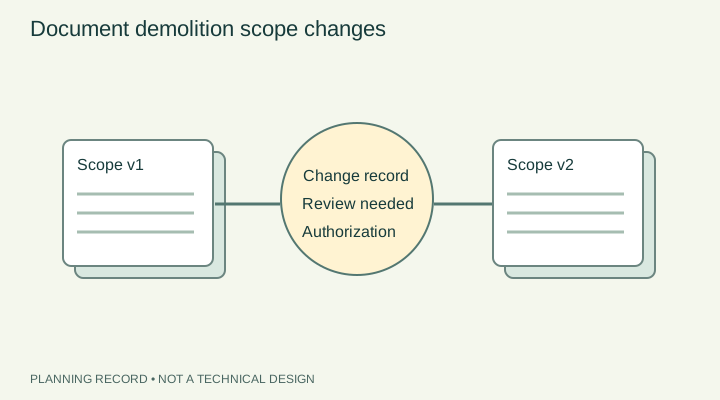
Record the change before losing the context
Write what changed, where it occurred and how it was identified. Attach the relevant assessment, drawing or contractor reference in the project file and keep the earlier scope version. Distinguish a newly observed condition from a conclusion about its cause. A photograph may support the location of a concern while further review establishes what it means. This guide does not decide whether work can proceed.
Reference context: CCOHS — Demolition · Hiring a contractor — Government of Alberta
Identify who must review the decision
A change may affect approvals, materials, utility arrangements, retained areas or other parties. Ask the responsible people which reviews are needed and record their decisions. A homeowner's cost approval and a professional's technical decision are different records. Keep pending matters visible, and avoid a single status label that suggests all responsibilities have been resolved merely because a new price was accepted.
Reference context: City of Calgary — Demolitions · City of Calgary — Building and development permits
Reconcile the money and the scope
Request a written description of additions and credits, the tax treatment and any revised allowance. State whether the figures are an estimate or an agreed change and note the affected payment milestone. The quote comparer can record a revised scenario using entered values, but it does not determine contractual entitlement. Keep the signed or otherwise documented authorization with the version of the scope it actually changes.
Where an unforeseen condition changes a disposal assumption, retain both the material-review question and the revised receiving-facility enquiry. A higher disposal allowance alone does not classify the material or confirm a destination. Identify what further evidence the responsible parties require and whether the revised quote includes obtaining it.
Reference context: Hiring a contractor — Government of Alberta · Office of Consumer Affairs — Home renovations
Carry the revision into the handover
Update the retained-item list, disposal records, approval references and final-condition expectations when the change affects them. Give the revised information to the people who need it, and retain the earlier record for context. A close-out file should show which changes were accepted and which questions remain. The editable scope brief supports that record keeping; it does not replace the original agreement or the responsible parties' review.
A useful change entry can read: revised removal area, drawing reference, assessment needed, amount supplied and authorization still pending. The entry preserves who proposed the change and what remains undecided. Avoid using a signed-price note to imply that all separate professional or authority responsibilities have also been satisfied.
Reference context: Office of Consumer Affairs — Home renovations · City of Calgary — Common business waste disposal